
MYOKO · NIIGATA
MYOKO KOGENATTRACTIONS
MYOKO KOGEN, JAPAN · MYOKO KOGEN · TEMPLES · HOT SPRINGS · WATERFALLS · ALPINE LAKES
Myoko Kogen is one of Niigata Prefecture’s most stunning natural destinations — a land of towering volcanic peaks, thundering waterfalls, ancient hot springs, and sweeping highland plateaus. Whether you visit in summer for hiking and camping or in winter for world-class skiing, Myoko offers unforgettable experiences in every season. Here are the top attractions you must visit in Myoko.
🏔️ Top Attractions in Myoko Kogen, Japan
1. Naena Falls (苗名滝)
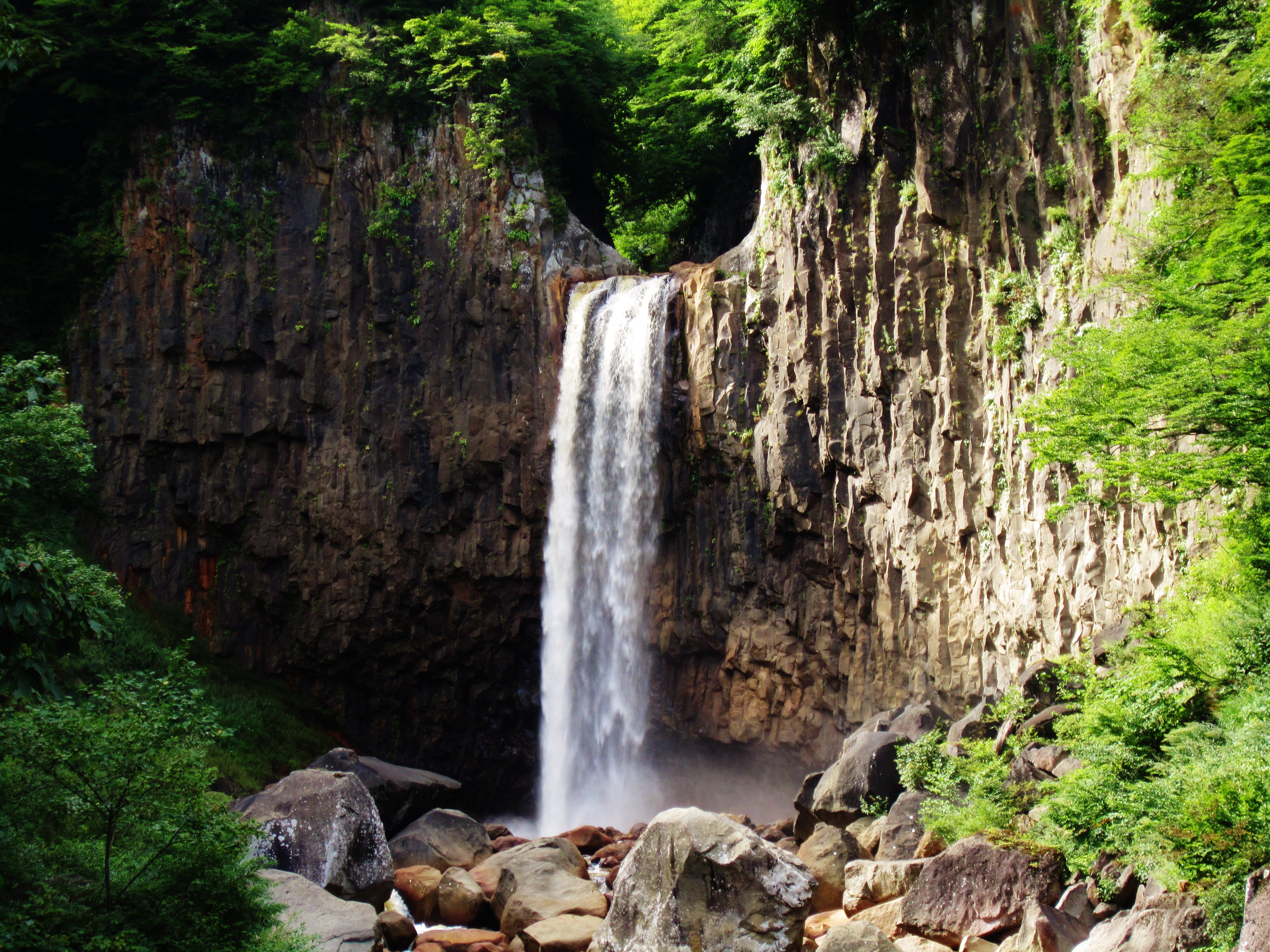
Naena Falls is one of Japan’s celebrated 100 Greatest Waterfalls and one of the most dramatic natural spectacles in the Myoko region. Fed by snowmelt from the Myoko mountain range, the waterfall plunges approximately 55 metres in an awe-inspiring cascade, earning it the nickname “Jishinfuri” (earthquake waterfall) — the ground actually trembles from the force of the water during spring snowmelt. The surrounding lush forest makes it a beautiful destination in all seasons.
📍 Location: Sekikawa area, Myoko City, Niigata
🚗 Access: 10-minute walk from the Naena Falls car park
🕐 Open: Year-round (snow may restrict access in deep winter)
💴 Admission: Free
🌸 Best Season: May–June (spring snowmelt) & October–November (autumn foliage)
2. Imori Pond (いもり池)

Imori Pond is Myoko’s most iconic viewpoint — a perfectly still natural pond that reflects the majestic silhouette of Mount Myoko in its glassy surface. This breathtaking mirror image is one of the most photographed scenes in Niigata Prefecture. In spring, the pond is fringed with beautiful white skunk cabbage (mizubasho). In autumn, the surrounding hillsides burst into brilliant reds and oranges. The short, flat walking trail around the pond is perfect for all ages.
📍 Location: Taguchi area, Myoko City, Niigata (near Akakura Kanko Resort)
🚗 Access: 5-minute walk from the Imori Pond car park
🕐 Open: Year-round
💴 Admission: Free
🌸 Best Season: May (mizubasho flowers) & October (autumn foliage)
3. Akakura Onsen (赤倉温泉)

Akakura Onsen is the most famous and well-developed hot spring resort in the Myoko area. Nestled at the foot of Mount Myoko at an elevation of around 750 metres, it has been welcoming visitors for over 150 years. The sodium chloride and calcium-rich waters are said to be excellent for fatigue recovery, skin beautification, and rheumatism. With dozens of ryokan, hotels, and restaurants lining its main street, Akakura Onsen is the perfect base for skiing in winter and hiking in summer.
📍 Location: Akakura, Myoko City, Niigata
♨️ Water Type: Sodium chloride & calcium sulphate
🕐 Day-use baths available at various facilities (typically 10:00–15:00)
💴 Day-use admission: ¥500–¥1,000 (varies by facility)
🌸 Best Season: Year-round — skiing Dec–Mar, hiking Jun–Oct
4. Tsubame Onsen (燕温泉)
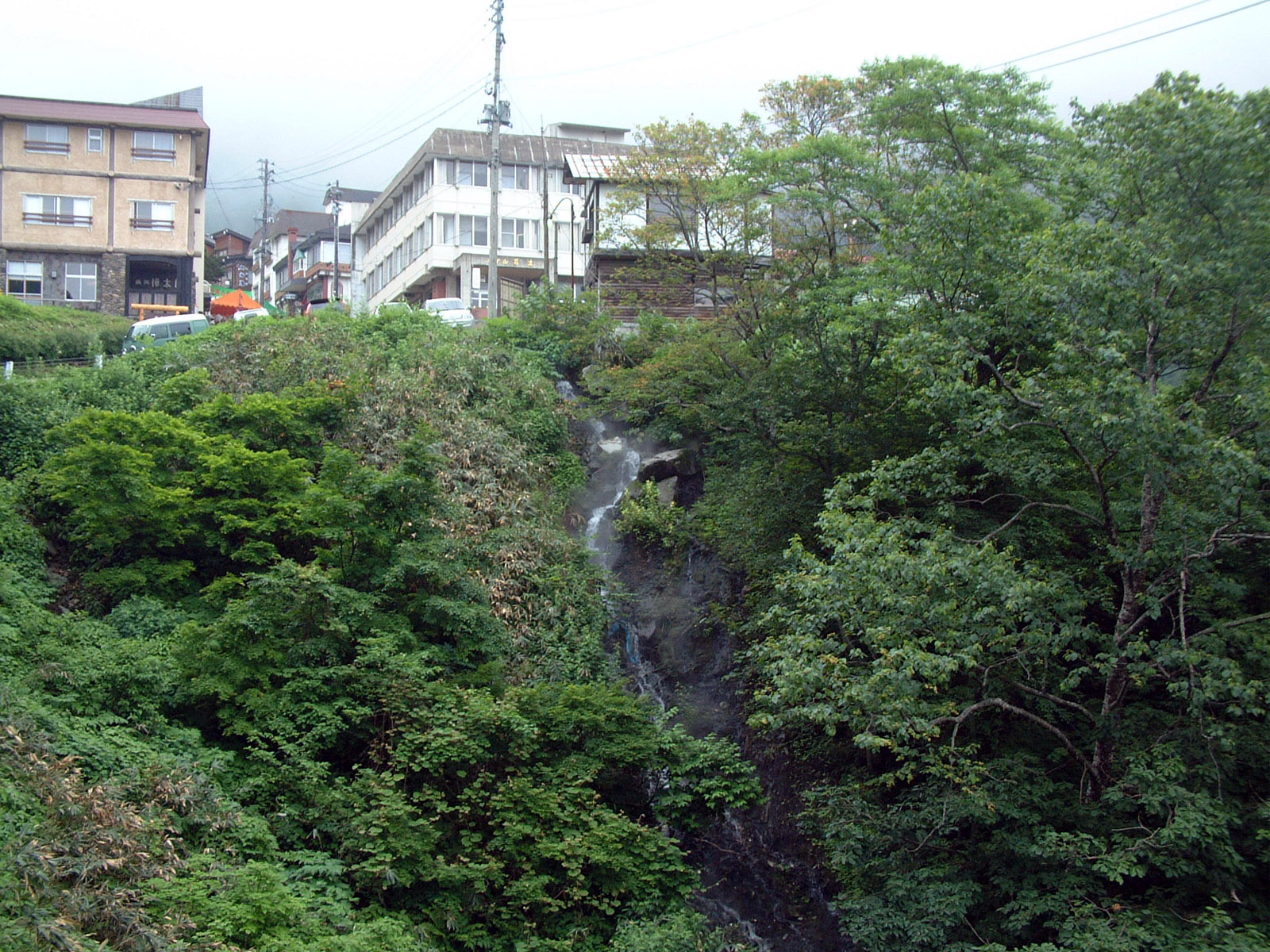
Tsubame Onsen is one of the most spectacular and wild hot spring experiences in the Myoko area. Located high on the slopes of Mount Myoko at around 1,100 metres, it features two free outdoor rotenburo (open-air baths) — Kaenchi and Obana-no-Yu — which are open to the public at no charge. Surrounded by untouched nature and fed by milky-white sulphuric hot spring water, these wild baths offer an unforgettable experience with views across the Myoko mountain wilderness.
📍 Location: Tsubame, Myoko City, Niigata (end of the mountain road)
♨️ Water Type: Sulphur-rich, milky white
🕐 Free outdoor baths: Open during non-winter months (approx. May–November)
💴 Admission: Free (outdoor baths) / ¥500–¥800 (indoor baths at ryokan)
⚠️ Note: The road to Tsubame Onsen is closed in winter due to snow
5. Sasagamine Plateau (笹ヶ峰)

Sasagamine is a beautiful highland plateau sitting at around 1,300 metres above sea level, offering a very different landscape from the rest of the Myoko area. This expansive alpine meadow is home to a serene campsite, highland cattle farm, and one of the most scenic hiking trail networks in the region — including the popular route to Mount Kurohime and the Myoko Togakushi Renzan National Park trails. In summer, the plateau is blanketed in wildflowers; in autumn, the golden grasslands and birch forests create a stunning panorama.
📍 Location: Sasagamine, Myoko City, Niigata
🚗 Access: ~25 minutes by car from Akakura Onsen
🏕️ Campsite: Sasagamine Campsite open June–October
🥛 Nearby: Makiba-no-Ie (highland dairy farm with fresh milk soft serve!)
💴 Admission: Free (campsite fees apply)
🌸 Best Season: July–October
6. Mt. Myoko (妙高山)

Mt. Myoko is an active stratovolcano standing at 2,454 metres — one of Japan’s 100 Famous Mountains (Nihon Hyakumeizan) and the iconic peak that gives the city its name. Formed by ancient eruptions that carved a dramatic caldera near its summit, the mountain towers over the surrounding plateau with a distinctive volcanic silhouette visible from across the Myoko-Togakushi Renzan National Park.
The most popular hiking route departs from Tsubame Onsen and takes around 4 hours to reach the summit, ascending through dense beech forest, past cascading waterfalls and sacred rocks before opening into sweeping alpine views. On a clear day you can see all the way to Mt. Fuji. The hiking season runs from June to October.
📍 Location: Myoko-Togakushi Renzan National Park, Myoko City, Niigata
🚗 Access: Start from Tsubame Onsen trailhead (~30 min by bus from Myoko Kogen Station)
🕛 Open: Hiking season: June – October (mountain accessible year-round)
💰 Admission: Free
🌸 Best Season: July – September (hiking); December – February (winter views from resort)
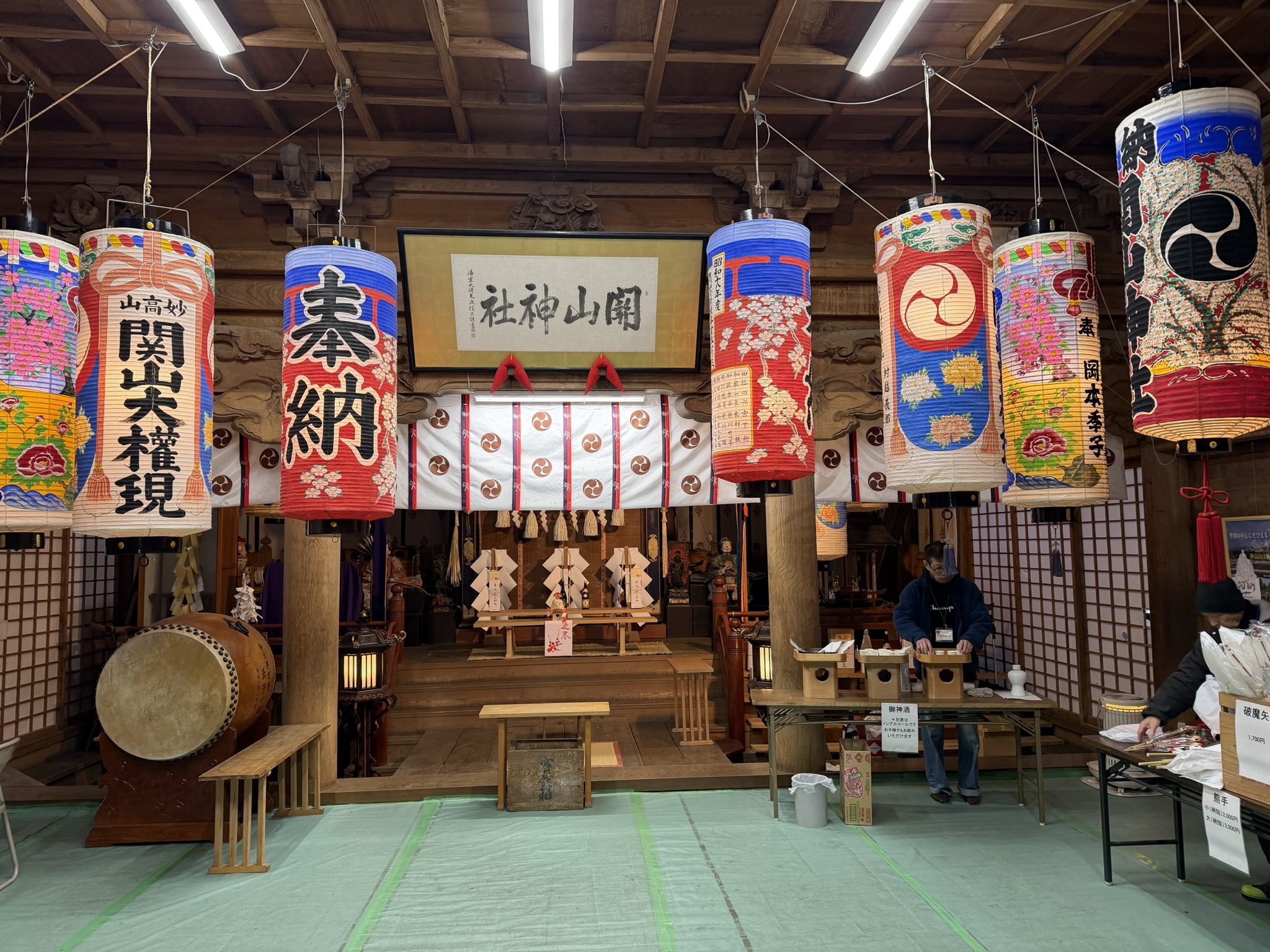
7. Sekiyama Shrine (関山神社)

Sekiyama Shrine is one of the most historically significant sites in Myoko, founded in 708 AD during the Nara period. For over 1,300 years it has served as the spiritual heart of the Mt. Myoko region, and its main hall and altar case are nationally registered tangible cultural properties. The shrine is said to be home to one of Japan’s oldest Buddhist statues, believed to have been brought from the ancient Korean kingdom of Baekje.
The serene grounds are shaded by towering cedar trees, and the current main building dates from the late Edo period (completed 1818). Every July, the shrine hosts the spectacular Himatsuri (Fire Festival) — an intangible cultural property of Niigata Prefecture — featuring torch-lit processions, traditional music, and a mikoshi (portable shrine) paraded through the community.
📍 Location: Sekiyama, Myoko City, Niigata
🚗 Access: 15-minute walk from Sekiyama Station (Echigo Tokimeki Railway)
🕛 Open: Year-round
💰 Admission: Free
🌸 Best Season: July (Himatsuri Fire Festival) & October–November (autumn foliage)
8. Seki Onsen (関温泉)
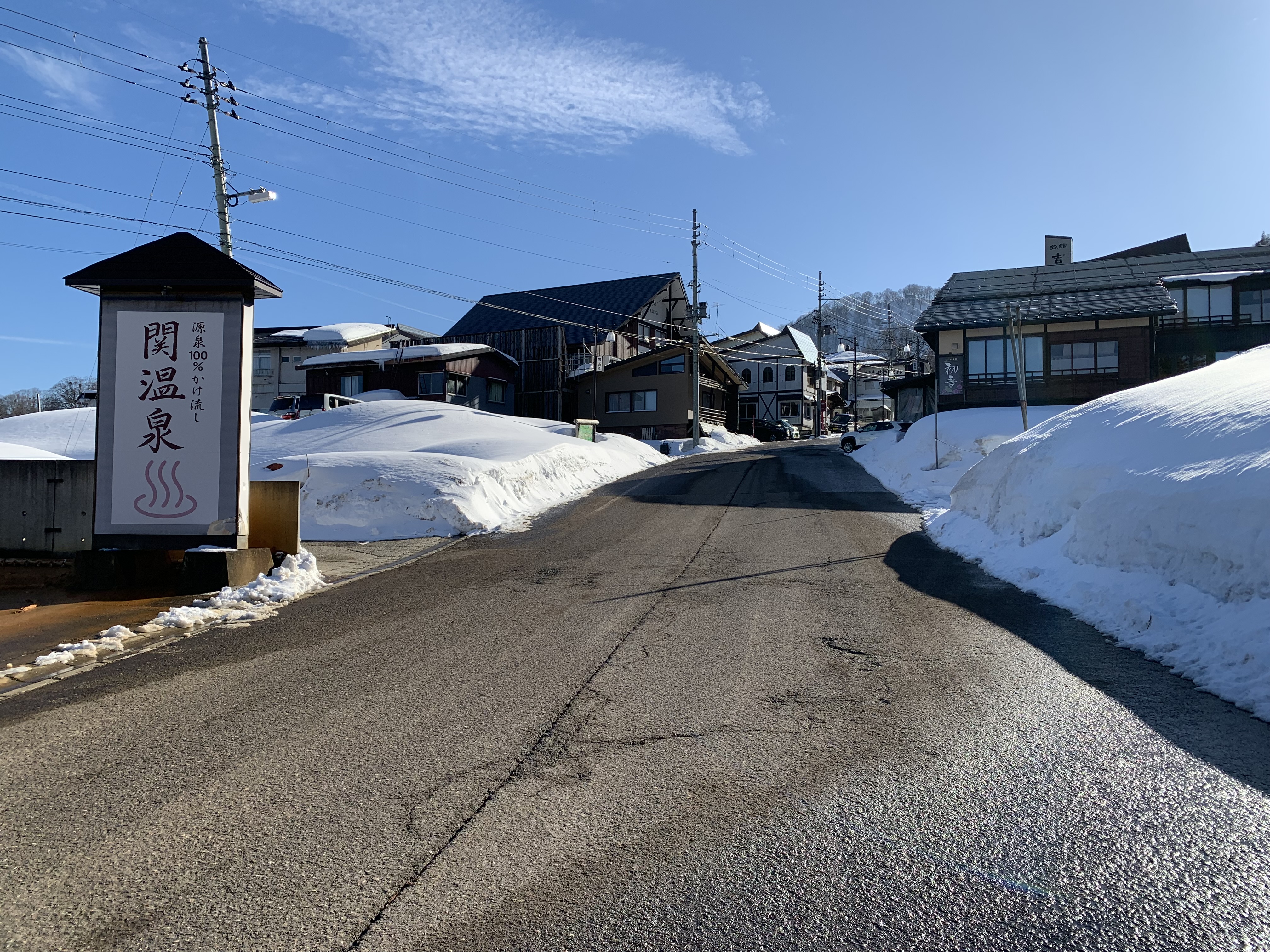
Seki Onsen is the oldest hot spring in Myoko, with a history dating back to 1729, and is counted among the “Three Great Onsen of Echigo” — the historical name for Niigata. What makes Seki truly unique is its reddish-brown iron spring water, one of the most distinctively coloured in all of Japan. The high iron content stains the bathhouse walls and tubs a rich amber, and gives the water a gentle metallic warmth.
The iron-rich waters are said to improve circulation and warm the body deeply, making them especially popular during the ski season. A small cluster of traditional ryokan and a public communal bath (kyodo yokujo) give the village a wonderfully rustic, unhurried atmosphere. The surrounding cedar forests and mountain ridgelines add to the feeling of discovery.
📍 Location: Seki, Myoko City, Niigata
🚗 Access: ~30 min by bus from Myoko Kogen Station
🕛 Open: Year-round
💰 Admission: ~¥400 (public bath); free with ryokan stay
🌸 Best Season: Winter (December–March) for ski-and-soak; year-round for relaxation
9. Suginohara Gondola (杉ノ原ゴンドラ)

The Suginohara Gondola climbs to 1,489 metres above sea level at Myoko Suginohara Ski Resort, offering one of the most spectacular scenic rides in the Myoko region. In winter, the resort is renowned for having one of Japan’s longest ski runs at 8.5 kilometres, with 17 trails across a 1,124-metre vertical drop — all fed by some of Japan’s deepest powder snow.
Beyond the ski season, the gondola operates through summer and autumn, transporting visitors into a pristine landscape of ancient beech, linden, and birch forest. The nature trail near the summit station winds past the sacred “Shinano Tree” and rewards with sweeping panoramas over Lake Nojiri and the entire Myoko mountain range. In October the forest transforms into a blaze of red and gold.
📍 Location: Myoko Suginohara, Myoko City, Niigata
🚗 Access: ~15 min by bus from Myoko Kogen Station
🕛 Open: Winter (ski): December–April; Sightseeing gondola: May–November
💰 Admission: Gondola from ¥1,500; ski lift tickets vary
🌸 Best Season: January–February (powder snow skiing) & October (autumn foliage)
Explore More of Myoko ← Back to Myoko Guide Home
 Myoko Kogen Guide